GOP front-runner and four times-indicted Donald Trump will not be physically present at Wednesday evening's first 2024 presidential primary debate. But he'll be there anyway as the troubled candidate remains the dominant figure – and issue – of the nominating contest.
Typically, early debates are a chance for poll-laggers to make an impression, either by delivering a well-placed zinger at a top-tier candidate or shining with a smart response to a question. The front-runners tend to have targets on their backs, which could result in a weakened position or a stronger one, if they handle attacks from primary rivals well.
But in the case of the debate in Milwaukee on Wednesday, the participants are in an awkward, perhaps no-win situation: The front-runner won't even be there, and the rest of the field can't attack him without alienating the very voters they'd need to sew up the nomination, should the legally imperiled Trump be forced to suspend his campaign.
Trump is "going to be the huge, spray-tanned elephant in the room. He's going to be what everybody is thinking about, even though he's not there," says Dave Cohen, a political science professor at the University of Akron.
That means the eight candidates who have qualified for the debate – Florida Gov. Ron DeSantis, tech entrepreneur Vivek Ramaswamy, Sen. Tim Scott of South Carolina, former U.N. Ambassador Nikki Haley, former Vice President Mike Pence, North Dakota Gov. Doug Burgum, former New Jersey Gov. Chris Christie and former Arkansas Gov. Asa Hutchinson – have few choices, and none is terribly appealing.
They can attack Trump, defend him or try to ignore him – which debate moderators are not likely to let pass, Cohen says. None of those approaches helps a candidate emerge as a better choice than Trump without angering Trump's rank-and-file loyalists.
"They're in a difficult spot, strategically," says Stephen Smith, professor at the School of Politics and Global Studies at Arizona State University. But "it's one they've earned," he adds.
Only a few have been willing to criticize Trump directly, and it's not appeared to have endeared them to GOP primary voters.
Christie – who worked on Trump's transition team before turning on him – has been the most aggressive in his attacks on Trump, saying the former president lacks the "character" to serve in the Oval Office and needling Trump for skipping the debate, which Christie last week called "completely disrespectful" to GOP voters.
The tactic – essentially making himself the marquee foil of Trump – is based on the gamble that if Trump ends up leaving the race, Christie will emerge as the most prominent truth-teller and default new front-runner.
It's not going so well, so far: National polls have Christie in the low single digits. A recent Des Moines Register/NBC poll in Iowa puts Christie in sixth place with 5% support among GOP caucus-goers.
Former Arkansas Gov. Asa Hutchinson – who arguably on paper has the most complete and traditional resume for a Republican presidential contender – is also polling in the low single digits, his criticism of Trump not moving the needle at all.
Former Vice President Mike Pence has stepped up his criticism of Trump's behavior – saying the former president asked him to put him above the Constitution by asking him to refuse to certify the 2020 election results – but hasn't made it as personal.
Pence recently said he was not aware of any "broad-based effort" to declassify records before Trump left office, undercutting the former president's claim that the classified documents he is accused of taking and improperly keeping at his Mar-a-Lago resort were, in fact, declassified. But Pence has also been reluctant to say Trump should be treated like any other politician who has been convicted of a felony – meaning, ousted from office.
"I think that needs to be left to the American people. Look, let’s let the former president have his day in court. Let’s maintain a presumption of innocence in this matter," Pence told ABC on Sunday.
Former U.S. Ambassador Nikki Haley – the only woman who will be onstage Wednesday night – has cautioned that Trump's legal troubles could cost Republicans the general election. She hasn't directly criticized the former president but didn't shy away earlier this month by reminding people of how much worse Trump's situation is getting.
"Like most Americans, I’m tired of commenting on every Trump drama. I’ve lost track of whether this indictment is the third or fourth or the fifth," Haley said during an appearance on “Good Morning New Hampshire” radio show with Jack Heath – before the fourth indictment out of Georgia’s Fulton County.
Others have responded to questions about Trump with attacks on the criminal justice system and its prosecutors themselves.
Florida Gov. Ron DeSantis, who is running a distant second to Trump in most polls, decried the "weaponization of government" after Trump's third indictment – though he conceded he had not actually read the document. DeSantis also acknowledged recently that the 2020 election was not stolen, telling NBC "of course he lost" when asked about Trump's discredited claims of a fraudulent 2020 contest – a comment not likely to endear him to Trump's most devoted supporters.
Sen. Tim Scott of South Carolina called the recent indictment of Trump "un-American and unacceptable. We need a better system than that."
Tech entrepreneur Vivek Ramaswamy, who has edged upward in a couple of state polls, has walked a similar line.
"These are politicized persecutions through prosecution,” he said at a town hall meeting last week. “It would be a lot easier for me if Donald Trump were not in this primary, but that is not how I want to win this election," he added.
And North Dakota Gov. Doug Burgum is just deflecting the matter entirely.
"I do trust the voters. ... They want presidential elections to be about the future, a vision for the future," Burgum told NBC's "Meet the Press" on Sunday after being asked about Trump's troubles.
In reality, it is the candidates not named Trump who will have the most to prove or explain Wednesday night, analysts say. DeSantis, whose campaign has been flailing, might need to explain why he suggested some Republicans backing Trump are "listless vessels" – a cringe-worthy similar remark to 2016 Democratic presidential nominee Hillary Clinton reference to the "basket of deplorables" in Trump's base.
As the front-runner among the also-rans, DeSantis will likely take the heaviest rhetorical artillery from the GOP field at the debate. Most of the rest will be struggling to get out of single digits – with the possible exception of Burgum, who is still trying to get the American public to recognize his name.
Trump, meanwhile, said he plans to counter-program with the airing of a taped one-on-one interview with former Fox News host Tucker Carlson. Thursday – a day when the political news would typically be dominated by post-debate analysis – Trump will be the star player in an unprecedented legal and political drama, turning himself in for processing at a Fulton County jail.
"He's cutting right into the shadow of the debate" with that timing, Smith says. As he undoubtedly will during the debate itself.
四 | 他们斩获了国内具身智能领域最具分量的学术荣誉——两项 Best Paper,并有一项入选 Best Paper Candidate;也打造了国内首个 GitHub Stars 突破 2K 的具身基座模型。更重要的是,他们并非风口到来后的追随者,而是国内最早一批探索具身基座模型的先行者,也是这个赛道最坚定的长期主义者。团队累计发表40余篇顶会论文,技术版图覆盖感知、决策、控制、数据与系统全栈;从双系统、轻量化到多构型,一系列行业首创工作,都出自这支年轻团队。


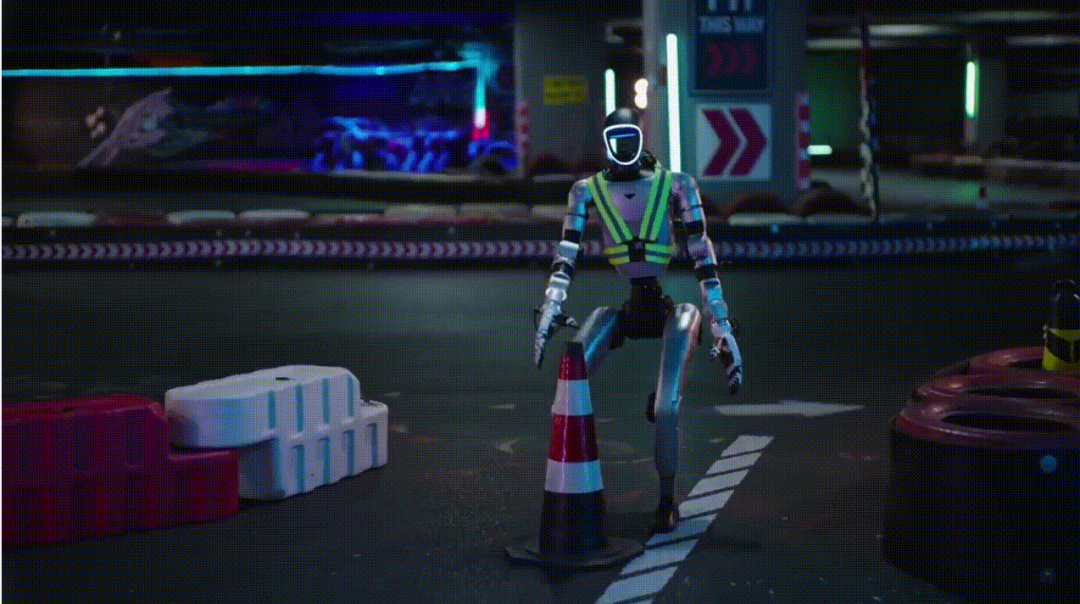
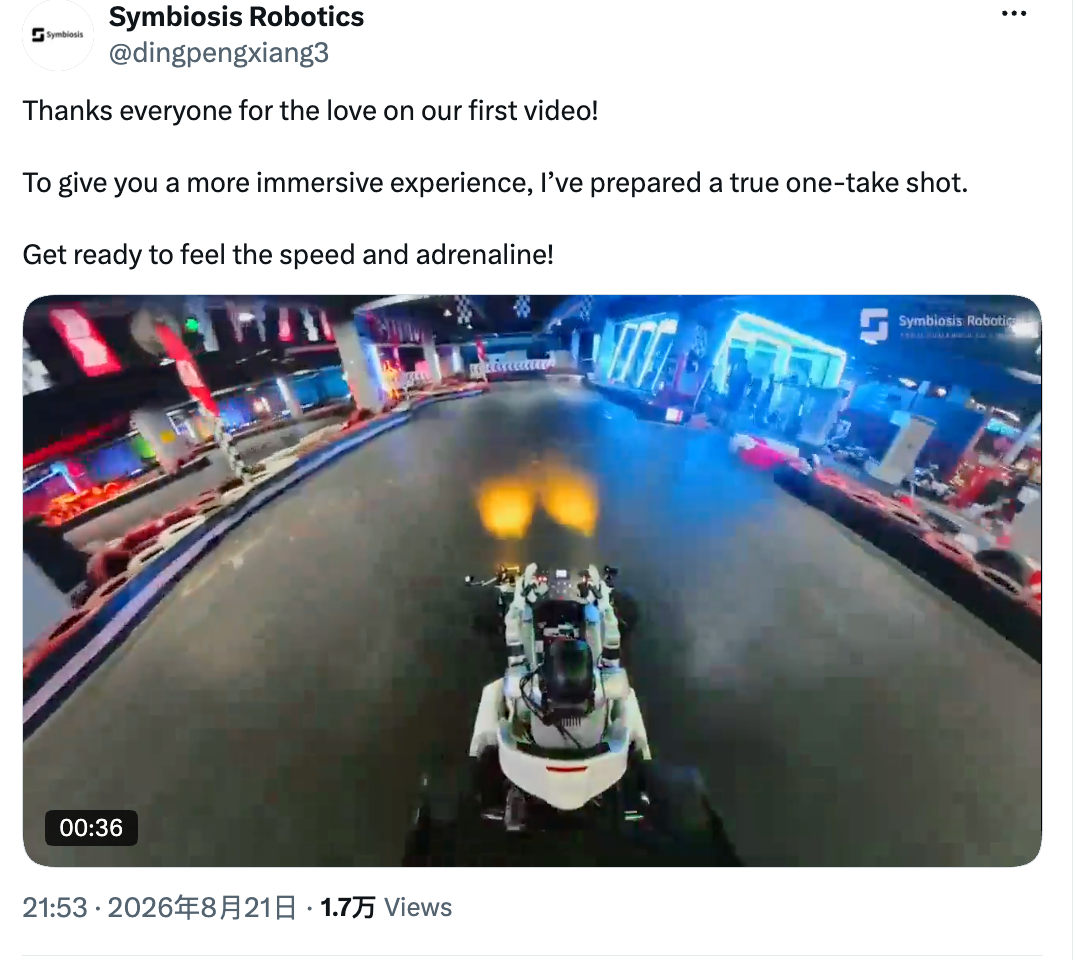 等等?这和我在WRC看到的画风不一样啊!展会上的机器人跑步、还有火花加闪电,没想到视频里的机器人什么时候背着人类偷偷报名赛车培训班了?它完全是个老司机,高速过弯、灵活避障,跑一圈下来一气呵成。和以往那些机器人慢吞吞走过去、弯腰拿东西的demo相比,这段视频里的机器人真的自己坐进了车里,手眼脚同步协同,在全速状态下完成多接触点平衡和精细力控。这种人形双足机器人能够眼、手、足,全身协同,在高速运动、复杂姿态的变化下的全身协调完成细节操作,在此前的人形机器人演示里几乎没出现过。放出这段视频的,是一家叫共生知行的公司。共生知行做的,是双足人形机器人的端到端感控一体化「大脑」,也就是基座模型。创始人丁鹏翔96年出生,核心团队其余成员全是00后,全员博士在读,公司成立刚满两个月。


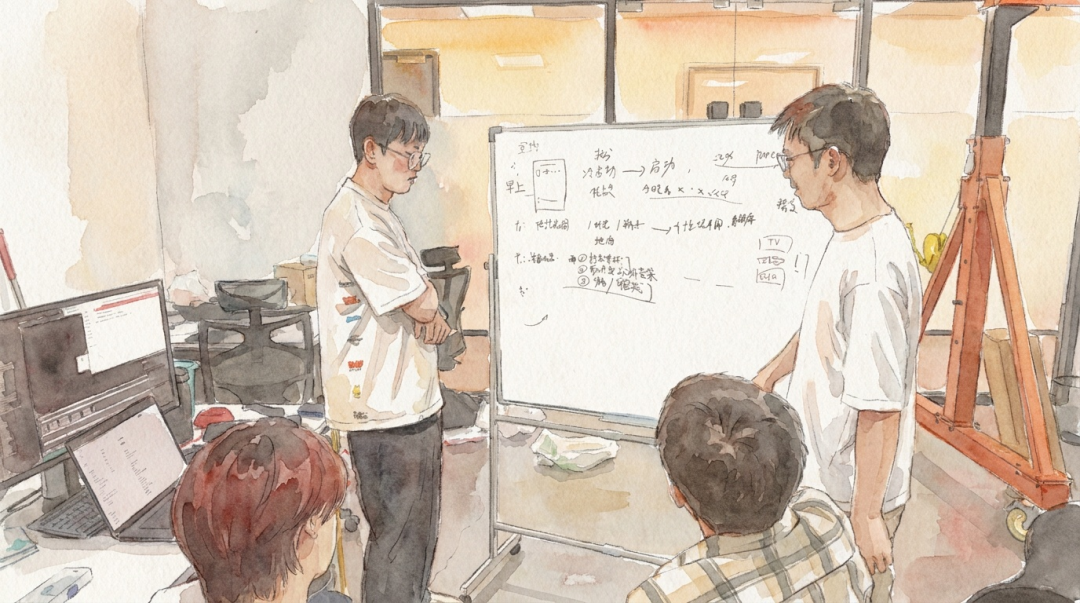 他们的判断很明确:机器人最终最广泛进入人类生活的形态是双足;按照自动驾驶和大模型的进化路径,端到端是效率最高的技术模式。这个判断源自他们的一线研究经验。

 特斯拉FSD转向端到端后,性能大幅提升。

 为什么偏偏是双足?丁鹏翔的答案是第一性原理:人类社会的建筑、工具、环境,全是照着人的身体构型造的。轮式只能固定在产线和商场里干活,双足能出门、上下楼、开车,还能跨场景完成不同任务。通用性意味着成本摊薄,双足还有拟人化的亲和感。时机同样关键。2026年4月之前,双足人形连通用遥操作模型都没有,没有数据来源就训不出基座。直到英伟达Sonic开源,行业才有了大规模生产数据的基石。这个方向已经不再处于「想训也没有数据」的早期阶段,又还没有成熟到路线完全收敛,共生知行赌的就是中间这个窗口。

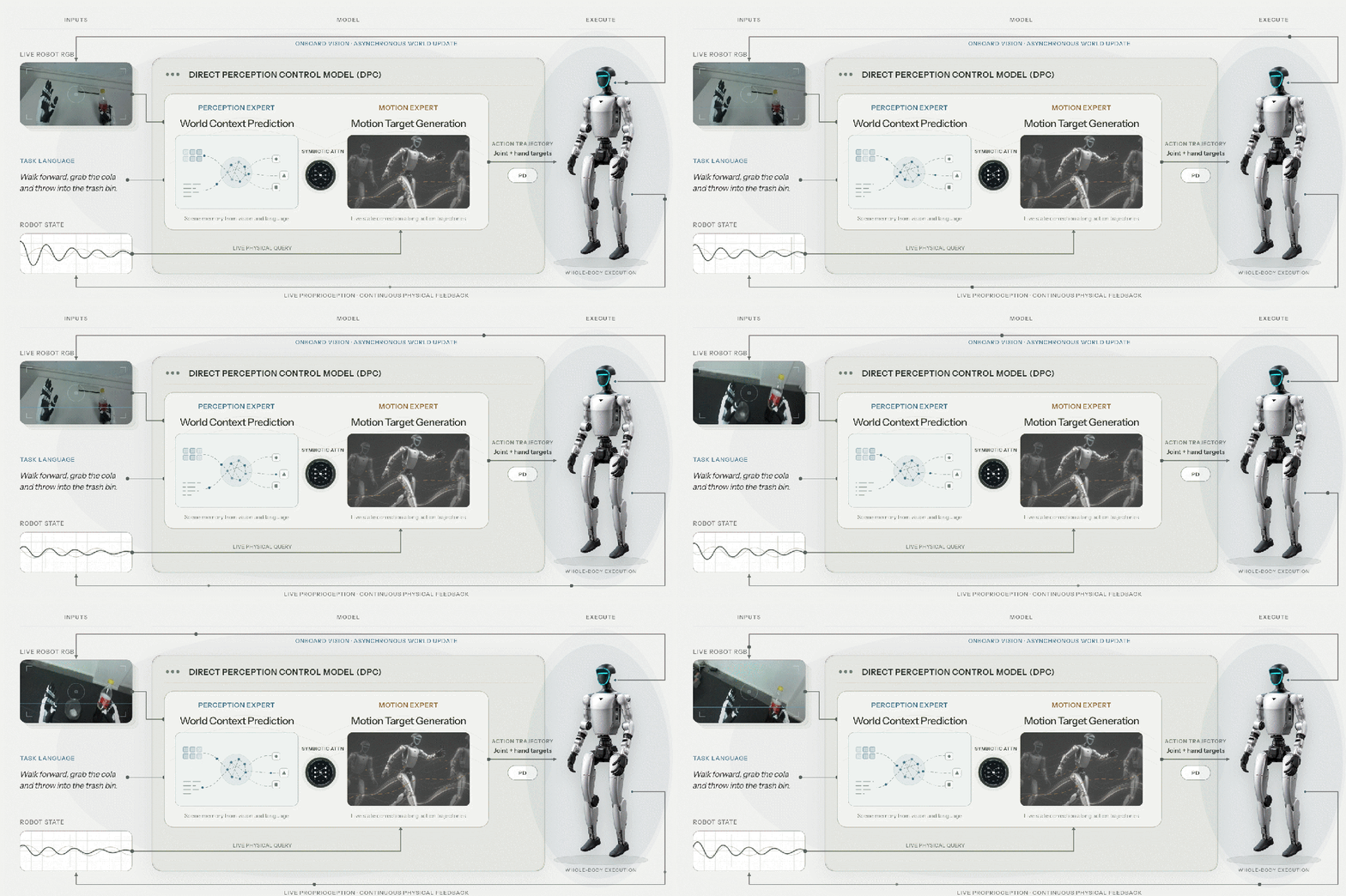
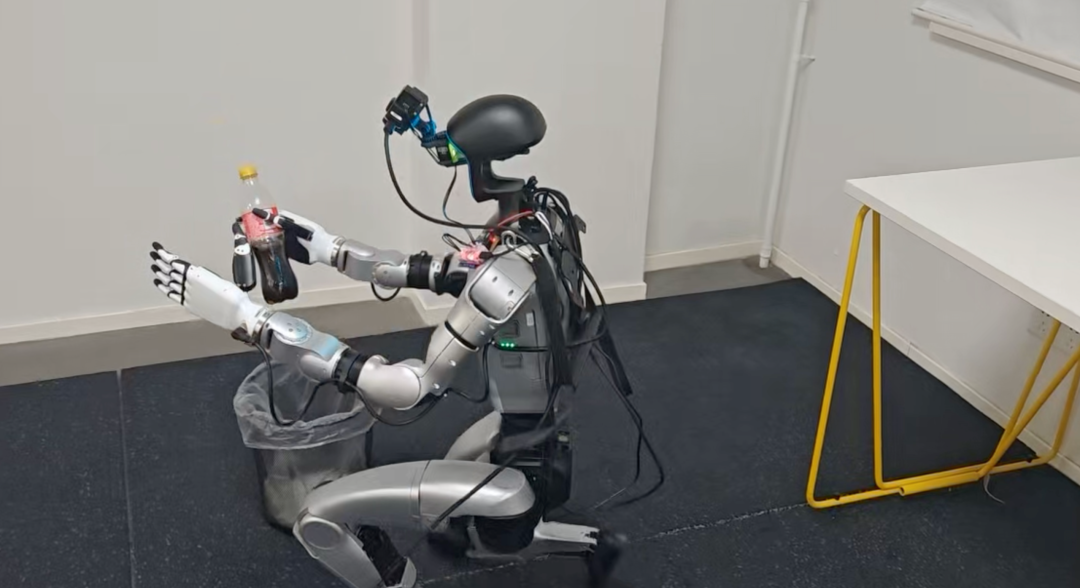 从运动学到动力学,从完成任务到保持稳定,这是双足机器人模型真正的技术分水岭。这能解释共生知行为什么把模型一路做到Joint Target,也就是关节目标层。分层方案里,大脑先输出运动学目标,下游小脑再解算成关节动作;共生知行把这个中间环节拿掉,让模型直接面对几十个关节的身体状态。问题随之而来:把小脑拿掉,机器人还站得稳吗?
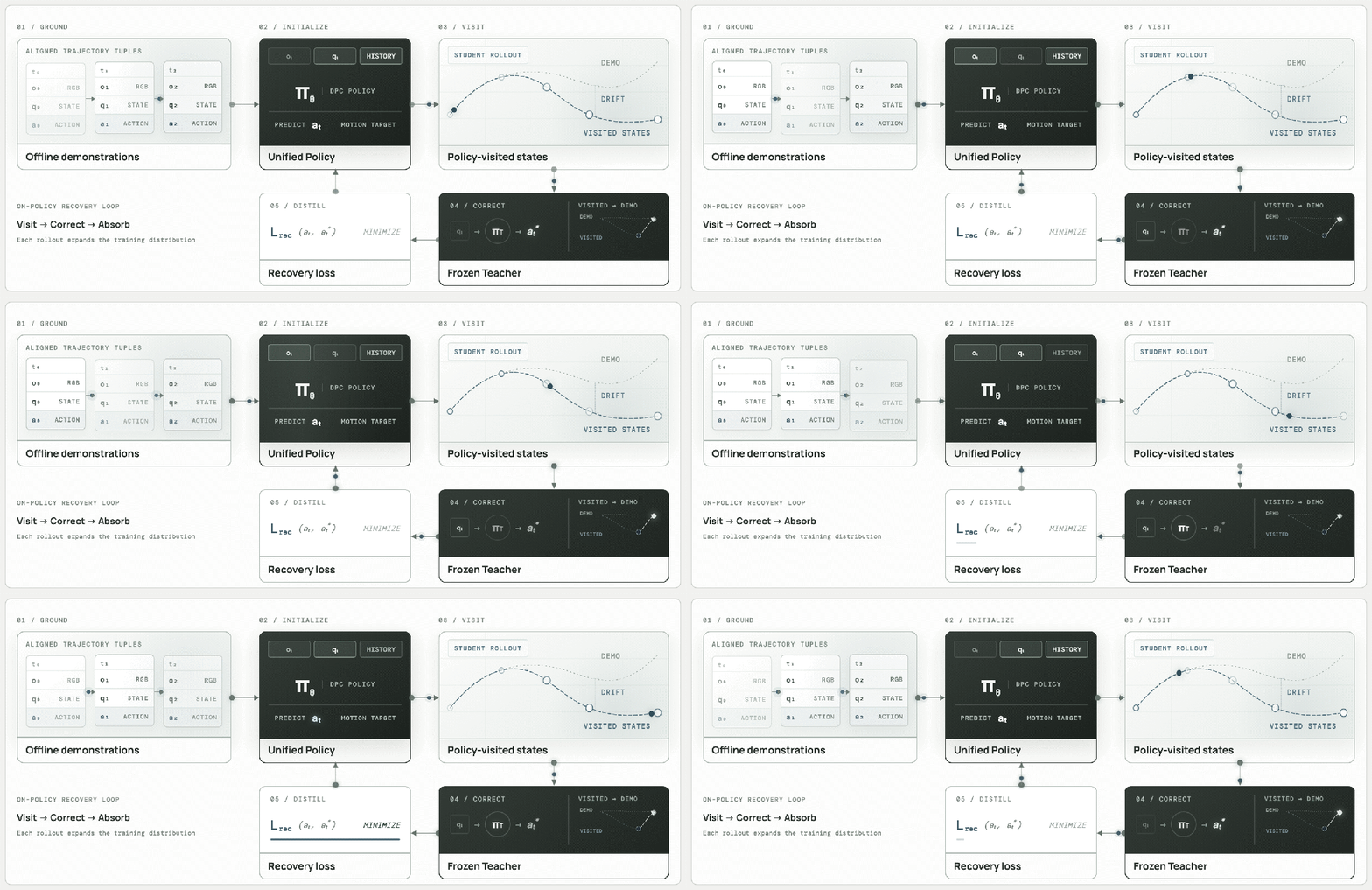
 光靠模仿学习,模型只学会标准动作,没见过执行中各种踉跄的身体状态,遇到陌生状态就可能直接摔倒。它缺的是从失败里站稳的能力。共生知行的核心,是一套「任务行为建模—运动先验蒸馏」的双域协同优化机制。

 再往前一步,端到端大模型还要解决机器人输出的力。


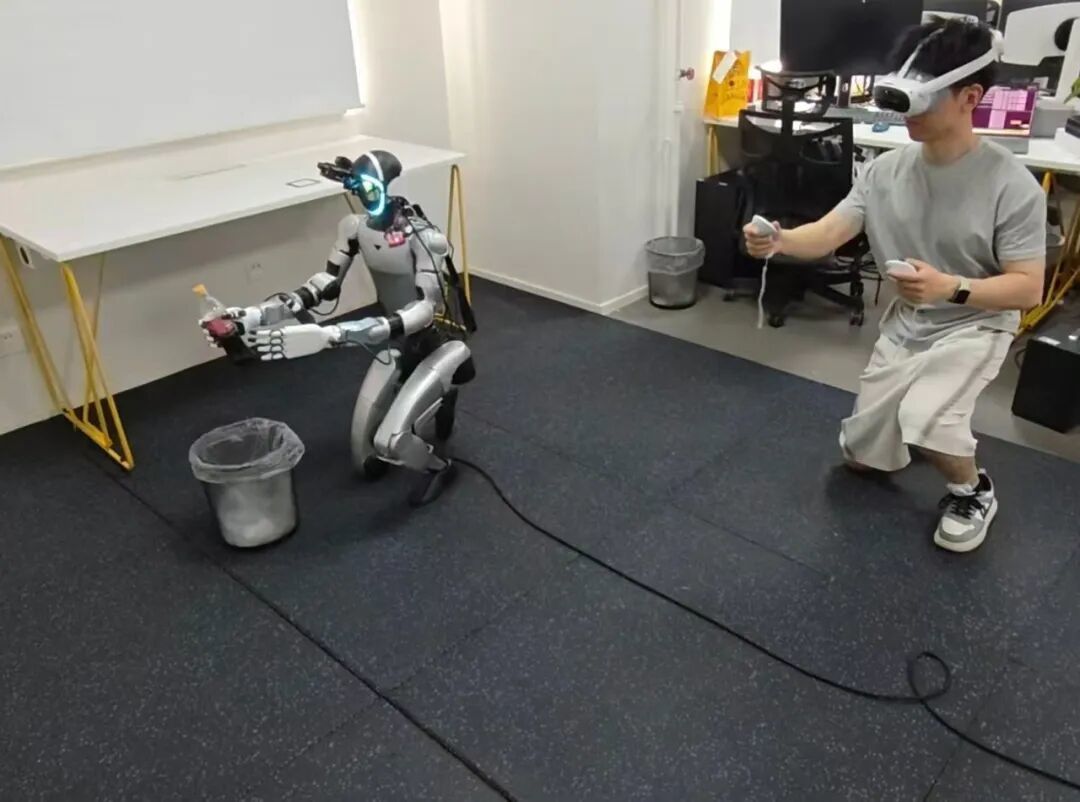
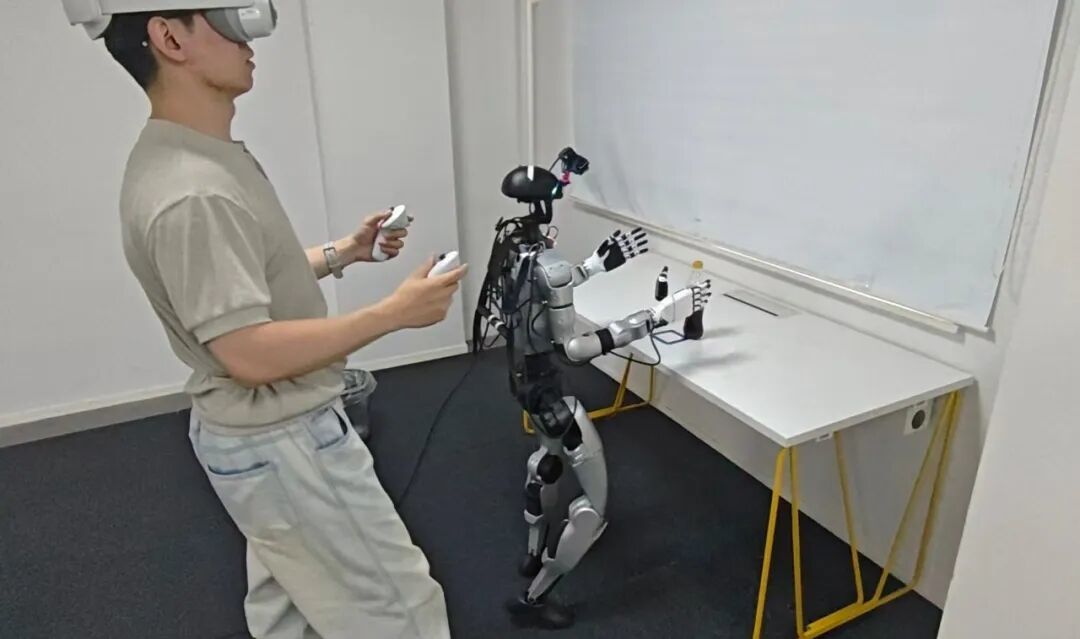 时间表上,他的判断很冷静。他推断,十万小时左右数据更多还是实验室级Demo,真正有大规模商业意义,可能要等到百万小时之后。现在行业甚至连最合适的数据形式都没有收敛,肌电、外骨骼、动捕、Pico遥操等路线仍在竞争。